
TrulyPrintable
ADHD Kids Daily Planner – Focus, Emotions & Life Skills Tracker (Digital Download)
In stock
Couldn't load pickup availability
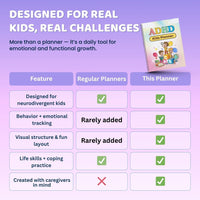
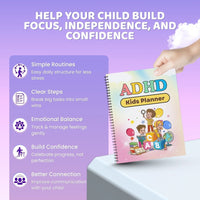
📘 Designed Just for ADHD Kids – Structure, Calm & Confidence 🌟
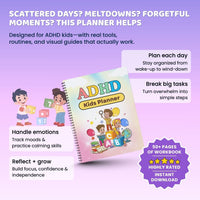
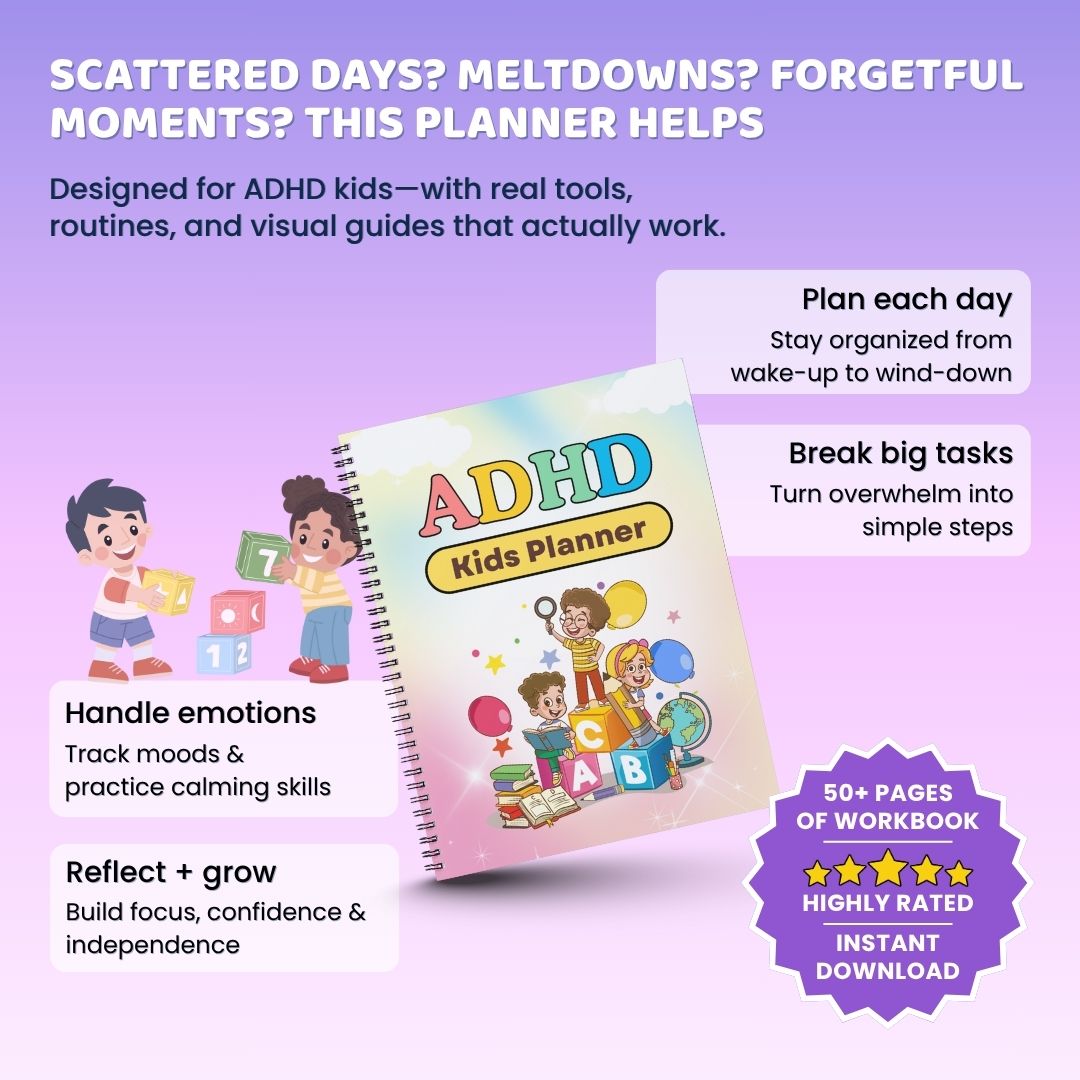
Scattered days? Big feelings? Trouble staying on task? Our ADHD Kids Planner is the ultimate daily companion to help your child organize, reflect, and grow—one simple step at a time.
📅 What's Inside?
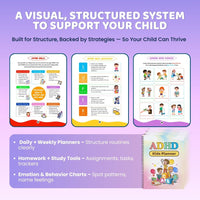
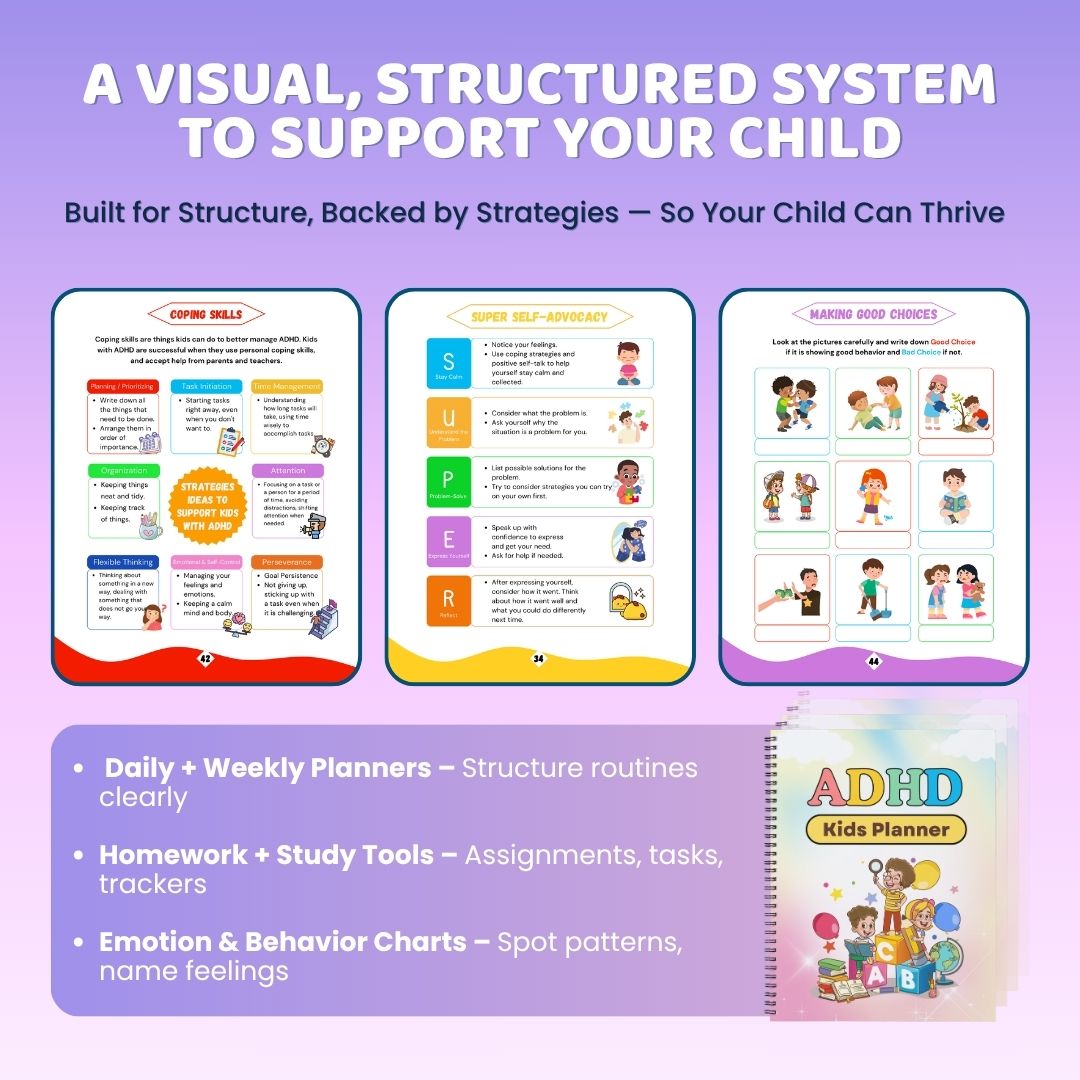
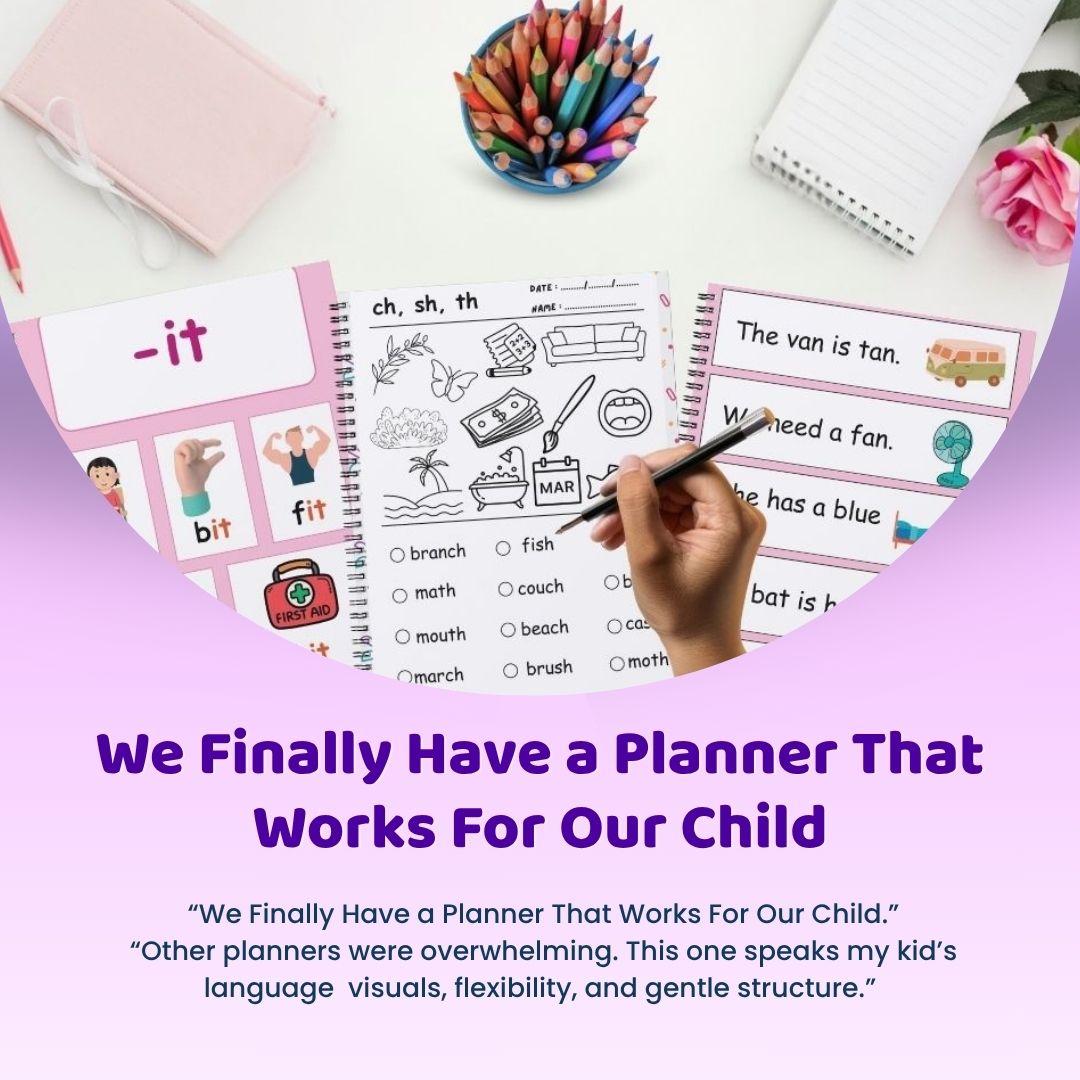
- ✅ Daily & Weekly Planning Pages
- ✅ Emotion Tracker & Behavior Chart
- ✅ Chore Charts & Reward System
- ✅ Goal-Setting, Habit Tracker & Growth Worksheets
- ✅ Self-Care, Mindfulness & Coping Activities
- ✅ Morning to Evening Routines & Time Management Tools
🧠 What Problems Does It Solve?
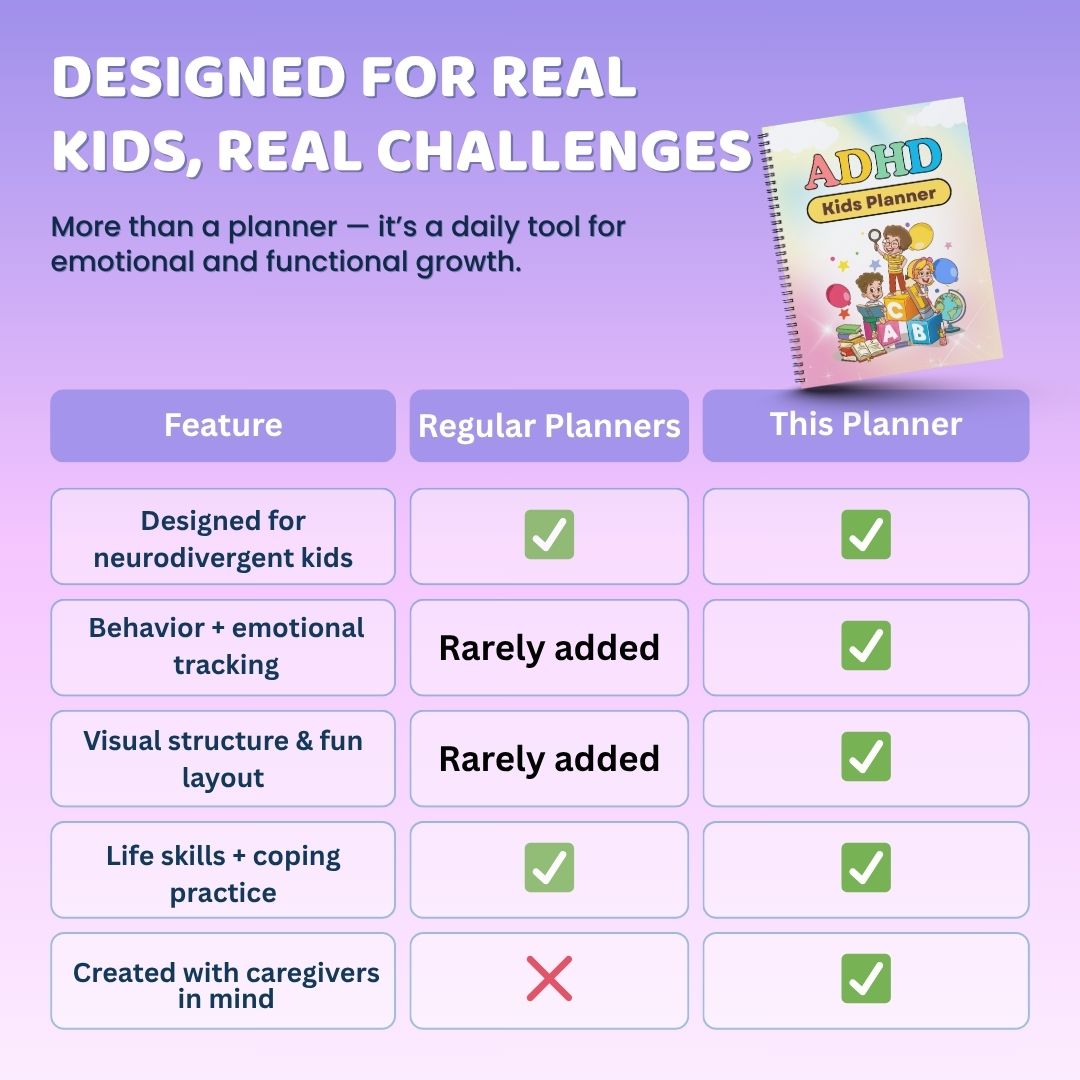
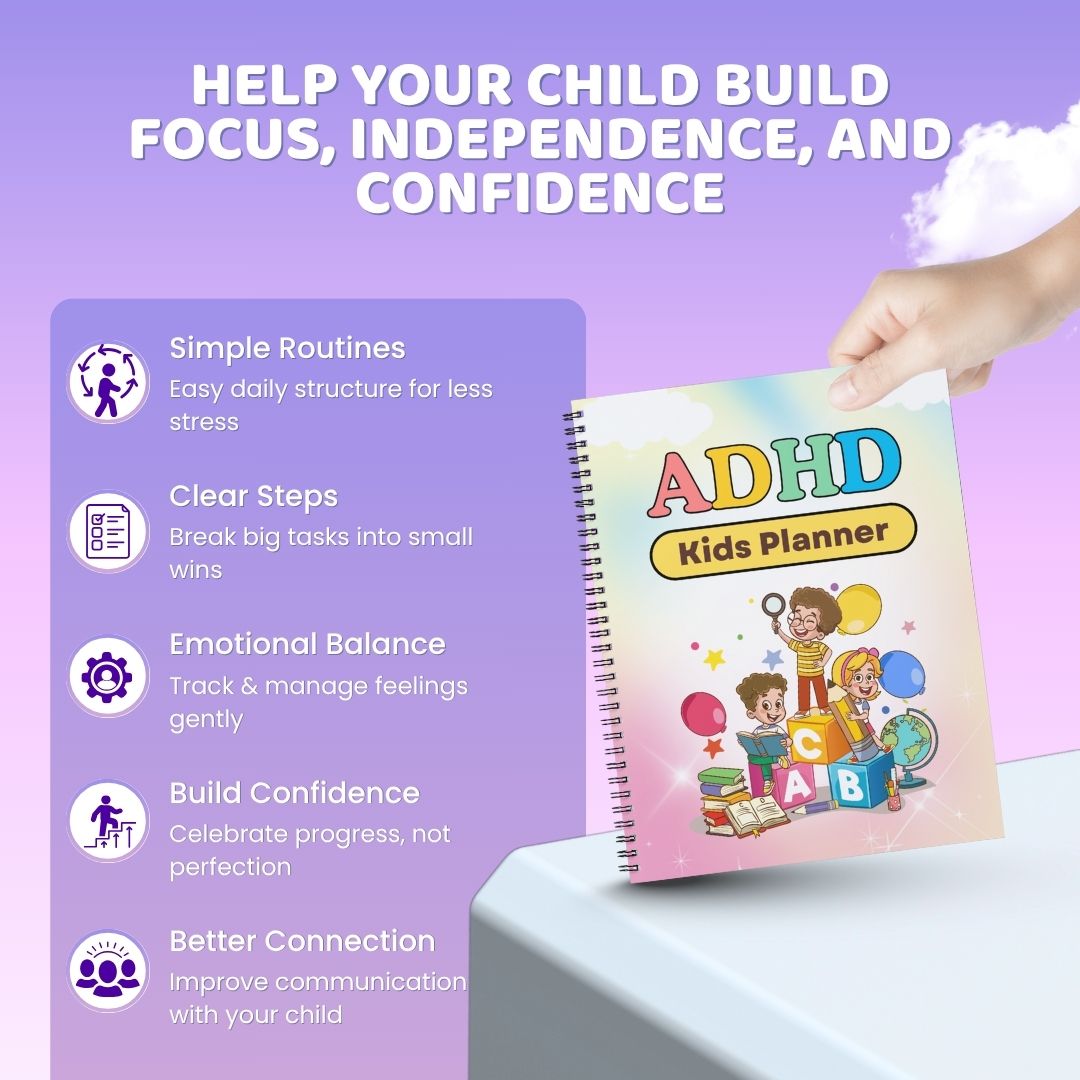
- 🎯 Helps ADHD kids break big tasks into manageable parts
- 💬 Encourages emotional regulation and daily self-reflection
- 🔄 Builds structure for better routines and task follow-through
- 💡 Supports independence, communication & social skills
📌 Please Note
This is a digital download PDF. No physical product will be shipped. Print and use it at home, school, or therapy sessions!
📎 Copyright Notice
© Healing With Grace Co. All rights reserved. This product is for personal use only. Redistribution or resale is strictly prohibited.
- 5 stars: 99 (80%)
- 4 stars: 24 (20%)
- 3 stars: 0 (0%)
- 2 stars: 0 (0%)
- 1 star: 0 (0%)
The growth mindset worksheet helps my perfectionist child embrace mistakes. She’s learning that “practice makes progress.” Healthier attitude.
We use the communication log during family meetings. Everyone gets a chance to speak. It’s improved our family communication.
The savings tracker teaches delayed gratification. My son is saving for a big Lego set. He learns that waiting and saving feels rewarding.
The sensory diet log helped us track what activities calm my son. We identified that jumping on the trampoline helps him focus. Valuable insight.
During summer, we use the daily planner to structure our days. It prevents the “I’m bored” syndrome and keeps my kids engaged.
The gratitude worksheet is a sweet addition. My daughter draws what she’s grateful for. It’s a nice way to end the day on a positive note.
The emergency contacts page is practical. My child memorized our phone numbers and knows who to call. Peace of mind for me.
This planner makes learning life skills fun. My daughter loves the “idea bank” and “savings tracker.” She’s learning without realizing it.
The password tracker page sparked conversations about internet safety. My child learned to keep passwords private. Timely lesson.
The “making good choices” page sparked discussions about empathy. My kids refer to it when they have conflicts. It’s reduced fighting.
The SOLVE strategy worksheet is fantastic. My child used it to solve a conflict with a friend. It gave him a step-by-step way to think through problems.
We added a screen time tracker using a blank page. My kids are more mindful of their screen use. They choose other activities to fill their charts.
My child often forgets assignments. The homework tracker acts as an external memory aid. He checks it daily and feels more responsible.
The exercise tracker includes outdoor activities. My son tries to check off “played outside” every day. Great for physical health.
The morning routine checklist has changed our mornings. My son knows what to do without constant reminders. We’re out the door on time more often.
The weekly planner includes family traditions like movie night. My kids look forward to it all week. Strengthens family bonds.
The study task list is great for group projects. My son breaks down his part and tracks his progress. Less last-minute panic.
I shared a few pages with my son’s teacher. She uses similar strategies, so it’s consistent. The communication log helps us stay on the same page.
The daily planner acts as an external brain. My child writes down things he needs to remember. Fewer forgotten permission slips!
The instructions are simple enough for my 8-year-old to follow. The icons help her navigate. She feels proud using it on her own.
The self-care checklist includes drinking water. My daughter tracks her water intake and tries to meet her goal. Simple health habit.
We all use parts of the planner. My husband fills out the exercise tracker with our son. It’s a family tool.
We adapt the goal-setting worksheet for speech therapy goals. My child tracks his practice and celebrates progress. Motivating.
The affirmations page is read aloud every morning. My daughter internalizes “I am capable.” It sets a positive tone for the day.
The 30-day challenge and habit tracker are motivating. My daughter is working on “making her bed every day.” She loves coloring in her progress.
The morning checklist ensures everything is ready the night before. No more frantic searches for shoes or homework. Calmer mornings.
The priority column in the time management chart helps my son decide what’s important. He’s learning to prioritize schoolwork over screen time.
My son’s backpack used to be a mess. The “organization checklist” (we made one from a blank page) helped him keep track of his belongings.
Our therapist recommended a planner for structure. This one fits perfectly. We use the thought record and coping skills pages in between sessions.
The “going on a safari” mindfulness activity gets us outside. My child notices birds, plants, and clouds. It’s calming and educational.
The reward chart focuses on positive reinforcement. My son works toward small rewards, which motivates him more than punishments ever did.